
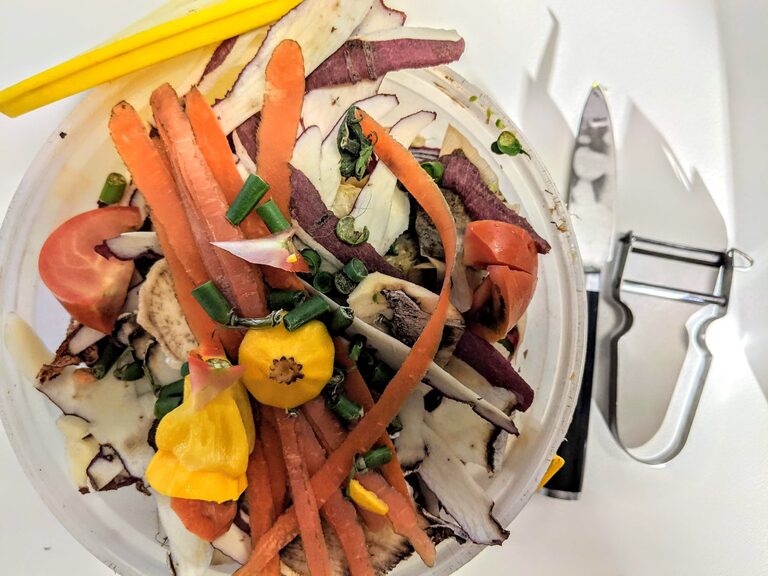
Reducing food waste at home is not only good for your budget but also benefits the environment. Wasting less food means fewer resources like water and energy are used, and less waste ends up in landfills. If you want to cut down on food waste but aren’t sure where to start, this guide offers practical tips and strategies you can easily adopt.
Understanding Food Waste at Home
Food waste happens when edible food is discarded or left uneaten. At home, this often results from buying too much, improper storage, or cooking more than necessary. By becoming aware of common causes, you can take steps to prevent waste and make the most of your groceries.
How to Reduce Food Waste: Step-by-Step Strategies
1. Plan Your Meals and Shopping Lists
One of the best ways to avoid food waste is to plan ahead.
– Create Weekly Meal Plans: Decide what you’ll eat each day, including meals and snacks. This helps you buy only what you need.
– Make Detailed Shopping Lists: Base your list on your meal plan and check your pantry to avoid duplicates.
– Stick to Your List: Avoid impulse buys that might go unused.
2. Buy Smart and Store Properly
How you shop and store food has a big impact on its lifespan.
– Buy Loose Produce: When possible, purchase only the amount you need instead of pre-packaged items.
– Choose Fresh, In-Season Items: These often last longer and taste better.
– Store Food Correctly: Use airtight containers, keep fruits and vegetables in the appropriate refrigerator zones, and know which foods should be refrigerated or kept at room temperature.
– Rotate Your Pantry: Practice FIFO (First In, First Out) by using older items before newer ones.
3. Understand Food Labels
Labels like “sell by,” “use by,” and “best before” can be confusing.
– “Sell By” Dates: These indicate how long a store should display the product. Food is often still good after this date.
– “Use By” Dates: These suggest the last date for peak quality or safety; follow these more carefully.
– “Best Before” Dates: Indicate when the product will be at its best quality but can often be consumed afterward.
Learning the difference helps reduce premature disposal of food that’s still safe to eat.
4. Practice Portion Control
Preparing or serving too much food is a major cause of waste.
– Cook Smaller Portions: Start with smaller amounts and add more if needed.
– Use Smaller Plates: This can help control serving sizes.
– Save Leftovers: Store uneaten food in clear containers and eat them within a few days.
5. Use Leftovers Creatively
Leftovers don’t have to go to waste.
– Incorporate Them in New Dishes: For example, use leftover vegetables in soups or stir-fries.
– Freeze for Later: Many cooked foods freeze well and can be reheated.
– Share Extra Food: If you have more than you can eat, consider offering it to friends, family, or neighbors.
6. Compost Food Scraps
Not all food waste can be avoided, but you can still reduce its environmental impact.
– Start a Compost Bin: Collect vegetable peels, coffee grounds, and other compostable material.
– Use Compost in Your Garden: Compost enriches soil naturally and reduces landfill waste.
Additional Tips to Keep in Mind
– Check Your Fridge Regularly: Keep an eye on what you have to avoid letting food spoil.
– Freeze Excessive Fresh Food: Freeze bread, fruit, or meat before it goes bad.
– Educate Family Members: Get everyone involved in reducing waste with shared goals.
Benefits of Reducing Food Waste
When you reduce food waste at home, you can expect:
– Financial Savings: Buying and throwing away less food saves money.
– Environmental Impact: Less food waste means fewer greenhouse gas emissions and less strain on resources.
– Healthier Eating: Planning meals often leads to more balanced, intentional food choices.
In Summary
Reducing food waste at home doesn’t require drastic lifestyle changes. By planning meals thoughtfully, shopping carefully, practicing proper storage, and making the most of leftovers, you can cut waste significantly. These habits not only stretch your grocery budget but also contribute to a healthier planet.
Start small by trying one or two suggestions above, and gradually build new routines that suit your household. Every bit of food saved makes a difference!